Peptide Forge / Manufacturing handbook
Precision starts with the record.
Peptide manufacturing, from first coupling to final release.
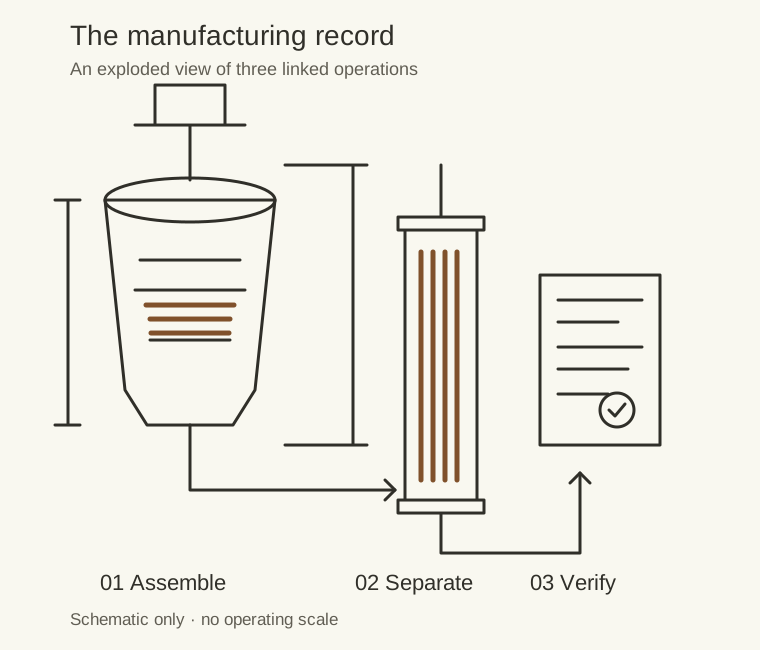
A peptide has a manufacturing history.
A finished powder hides a long sequence of decisions: which building blocks went in, how the chain was assembled, what the purification removed and which tests supported release. Peptide Forge makes that record easier to read.
This independent publication covers synthesis, purification, analytical characterisation, freeze-drying, stability and the quality documents that connect them. The twenty profiles explain the process in plain English, then preserve the earlier edition’s technical tables for closer inspection.
The tables are inherited examples, not validated operating procedures or measured results for an offered batch. Their limits are made visible so a useful reference does not become a false assurance.
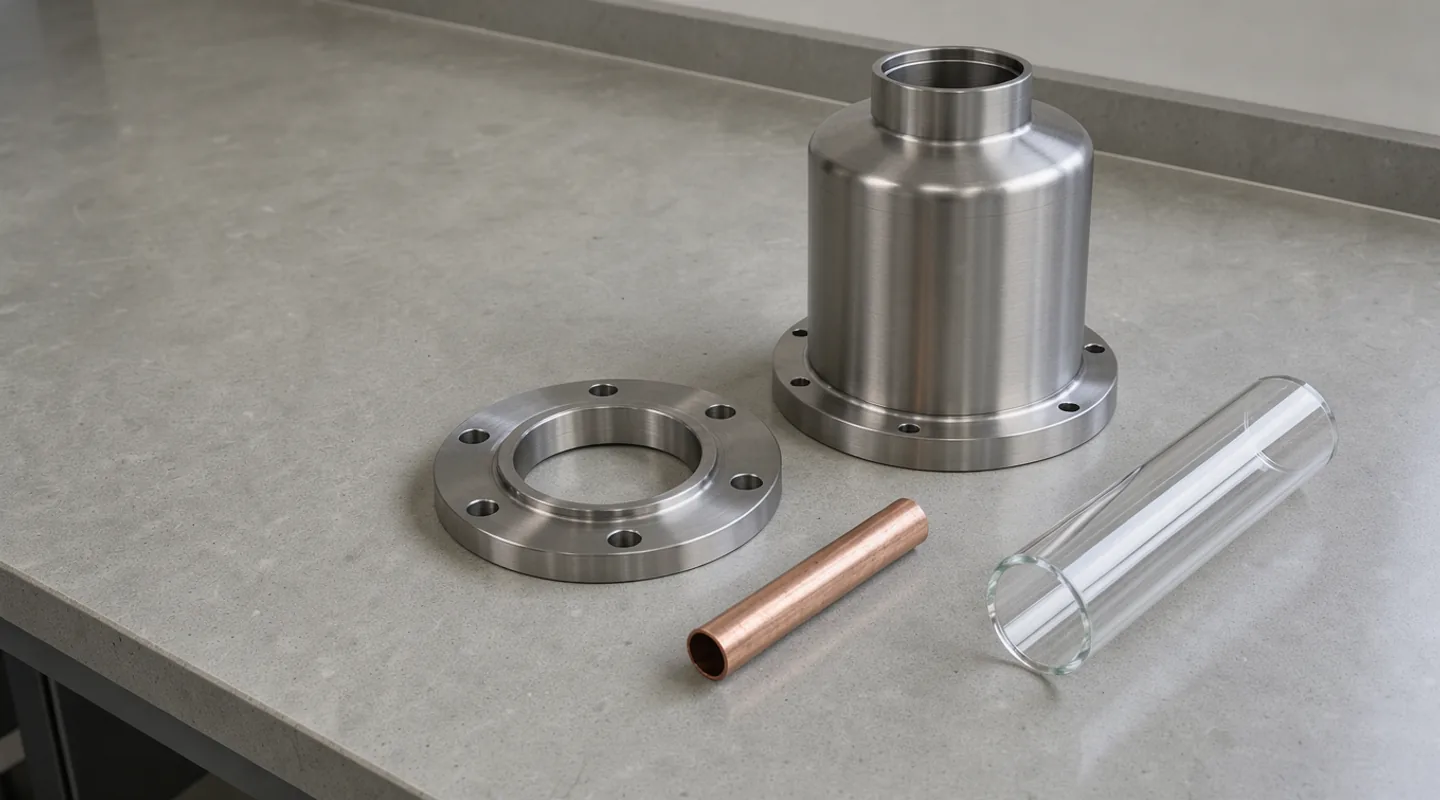
Six operations. One continuous record.
Build the chain
Solid-phase synthesis attaches amino acids one at a time. Resin choice, protecting groups and coupling checks shape the crude product.
Separate the mixture
Preparative chromatography separates the target from related material. Each collected fraction needs a reason to join the final pool.
Measure what is there
Identity, purity and peptide content ask different questions. Water, salts, residual solvents and microbial tests fill other parts of the picture.
Make the storage form
Freeze-drying removes solvent. Its cycle, residual moisture and container closure need evidence for the actual formulation.
Review the record
A master record is a plan. An executed batch record captures what happened, including deviations, test results and release decisions.
Trace the supply chain
Qualified raw materials, batch identifiers and documented transport connect the released material to its sources and handling history.
The compound catalogue
Start with the molecule. Each profile follows its synthesis route, likely impurities, analytical checks and stability evidence.
20 profiles, from BPC-157 to vasopressin
Read the specification before the percentage.
The library retains its FDA, ICH, USP and other source links. General quality guidance explains a framework; it does not certify a facility, validate a numerical table or approve a research product. The earlier reference to ISO quality-management principles has the same limit.
Use a profile to find the right question, then ask for the actual specification, analytical method and batch evidence. For clinical drug products, approval and authorised labelling are product-specific. This handbook provides no human dosing or preparation instructions.
Read the handbook questions or compare documentation in the Supply Chain Transparency Index.